
How Metallurgical Testing Has Evolved to Improve Modern Manufacturing
July 17, 2026
Modern manufacturing depends on materials that are strong, reliable, and capable of performing under demanding conditions. From aerospace components and industrial equipment to pipelines, bridges, and heavy machinery, manufacturers rely on metals that meet strict quality and performance standards before they ever reach service.
While today's testing methods are highly sophisticated, the principles behind metallurgical testing have been developing for centuries. Advances in technology have transformed the field from simple visual evaluations into comprehensive scientific analyses that help manufacturers improve quality, increase safety, and reduce costly failures.
Today, metallurgical testing plays a vital role in quality assurance, material selection, product development, and failure analysis across countless industries.
The Early Foundations of Metallurgical Testing
Long before advanced laboratories and precision instruments existed, metalworkers relied on observation and experience to evaluate material quality.
Early blacksmiths and craftsmen assessed metals by examining characteristics such as:
- Color
- Hardness
- Workability
- Surface appearance
- Fracture characteristics
While these methods lacked scientific precision, they established the foundation for understanding how different metals behaved under various conditions.
As industrial manufacturing expanded, the need for more accurate and repeatable testing methods became increasingly important.
Industrial Growth Changed Material Testing
The Industrial Revolution dramatically increased the demand for stronger, more reliable materials.
Manufacturers began producing larger quantities of steel, iron, and specialty alloys for use in:
- Railroads
- Bridges
- Ships
- Factories
- Pressure vessels
- Industrial equipment
As structures became larger and more complex, visual inspection alone was no longer sufficient.
Engineers needed objective ways to evaluate material composition, mechanical properties, and manufacturing consistency, leading to the development of more advanced metallurgical testing techniques.
Modern Metallurgical Testing Goes Beyond Visual Inspection
Today's metallurgical testing involves detailed scientific analysis that helps manufacturers understand how materials will perform in real-world environments.
Modern laboratories evaluate characteristics such as:
- Grain structure
- Material composition
- Heat treatment results
- Hardness
- Weld quality
- Corrosion resistance
- Fracture behavior
- Mechanical properties
Rather than simply identifying visible defects, these evaluations provide valuable information about a material's internal structure and long-term performance.
Supporting Better Manufacturing Decisions
One of the greatest advantages of modern metallurgical testing is its ability to support informed manufacturing decisions before products reach customers.
Testing helps manufacturers:
- Verify material specifications
- Confirm manufacturing quality
- Evaluate heat treatment processes
- Improve production consistency
- Reduce product failures
- Maintain quality assurance standards
By identifying potential issues early, manufacturers can make adjustments before defects become costly production problems.
Failure Analysis Drives Continuous Improvement
Even the highest-quality materials occasionally experience unexpected failures.
When failures occur, metallurgical testing helps engineers determine why a component failed and how similar problems can be prevented in the future.
Failure analysis may examine:
- Fatigue cracking
- Corrosion damage
- Manufacturing defects
- Material contamination
- Overloading
- Improper heat treatment
- Environmental influences
The information gathered often leads to improved manufacturing processes, better material selection, and enhanced product reliability.
Advanced Technology Continues to Improve Testing
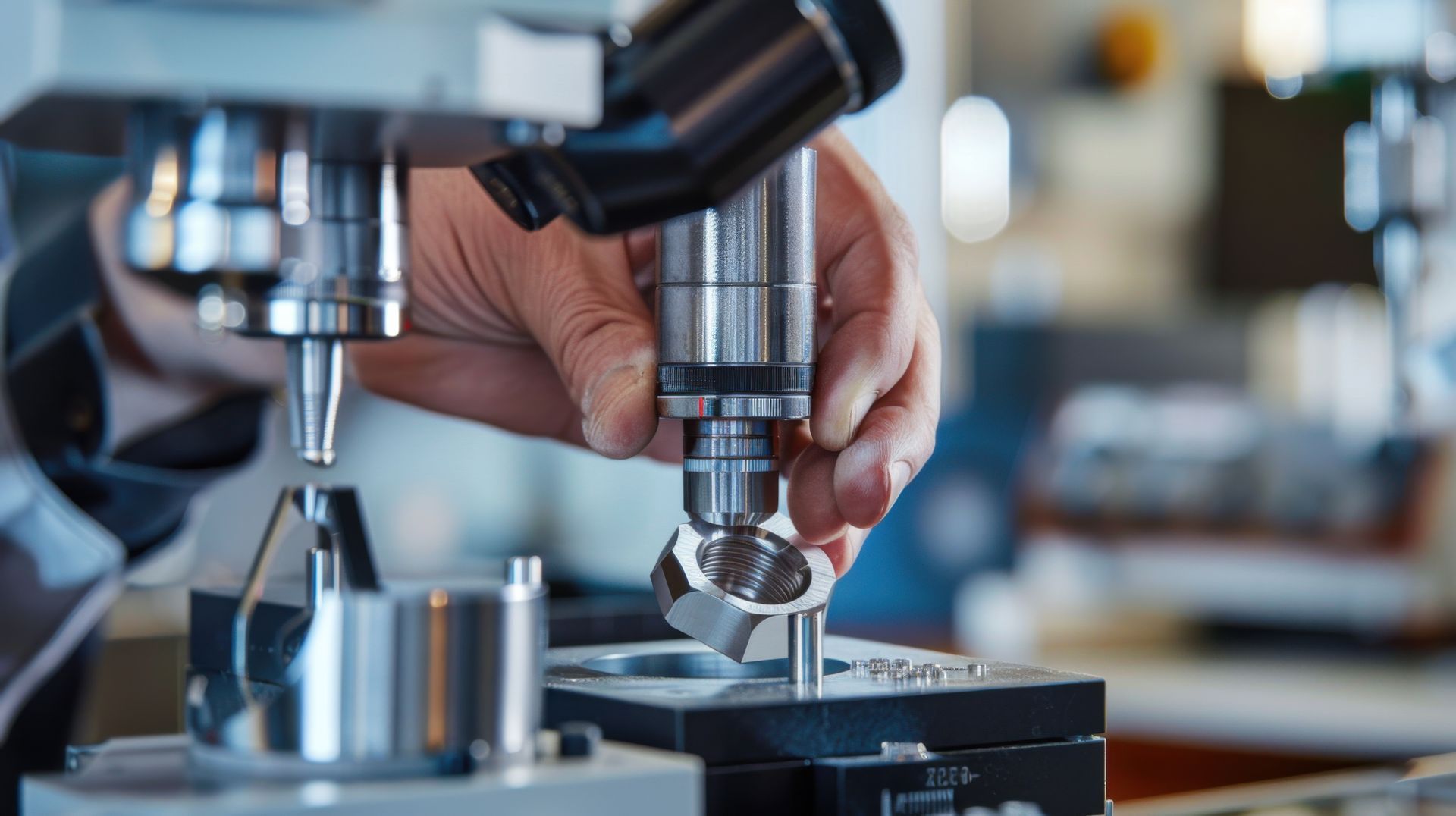
Modern laboratories now utilize sophisticated equipment capable of analyzing materials with remarkable accuracy.
Advanced technologies allow specialists to examine microscopic structures, evaluate material composition, and document characteristics that would have been impossible to observe decades ago.
As manufacturing technologies continue advancing, metallurgical testing continues evolving alongside them, providing manufacturers with increasingly detailed information that supports higher quality products and improved operational reliability.
Why Metallurgical Testing Remains Essential
Regardless of industry, manufacturers share a common goal: producing components that perform safely and consistently throughout their intended service life.
Metallurgical testing supports that goal by helping organizations:
- Improve product quality
- Verify material performance
- Support regulatory compliance
- Reduce manufacturing risks
- Improve reliability
- Extend equipment life
Rather than reacting to failures after they occur, manufacturers can use testing data to make proactive decisions that strengthen both product quality and operational efficiency.
The Future of Metallurgical Testing
As manufacturing continues to evolve, so will the science behind metallurgical testing. New materials, advanced alloys, additive manufacturing technologies, and increasingly demanding performance requirements will continue driving innovation throughout the industry.
By combining decades of scientific advancement with modern analytical techniques, metallurgical testing remains one of the most valuable tools available for understanding material performance, improving manufacturing quality, and preventing costly failures before they occur.
Steel City NDT provides professional metallurgical testing, failure analysis, and material evaluation services that help manufacturers make informed decisions with confidence. Whether you're investigating a material failure, verifying product quality, or supporting a quality assurance program, our experienced team is ready to deliver accurate, dependable results.
What is metallurgical testing?
Metallurgical testing is the scientific evaluation of metals and alloys to determine their composition, structure, mechanical properties, and overall performance.
Why is metallurgical testing important in manufacturing?
It helps manufacturers verify material quality, improve production consistency, identify defects, and reduce the risk of product failures.
What types of information can metallurgical testing provide?
Testing can evaluate grain structure, hardness, material composition, heat treatment results, weld quality, corrosion resistance, and fracture characteristics.
How does failure analysis support manufacturing?
Failure analysis helps engineers identify why a component failed so manufacturing processes, material selection, and product designs can be improved to reduce future failures.
You might also like