The Value of Non-Destructive Testing in Structural Asset Management: Identifying Defects Before Failure
June 24, 2026
Heavy industrial infrastructure and critical structural steel assets are expected to perform safely, efficiently, and reliably every single day. From soaring structural steel building frameworks and high-pressure vessels to complex process piping networks and heavy manufacturing equipment, these assets operate under demanding mechanical conditions. This continuous workload exposes high-performance alloys to relentless physical stress, environmental oxidation, thermal cycling, and micro-structural fatigue.
The primary operational challenge is that catastrophic material failures almost always begin long before any visible warning signs surface on the exterior of the asset. A sub-surface crack hidden deep within a structural weld, internal corrosion systematically reducing the wall thickness of a pressure vessel, or a microscopic material discontinuity can remain entirely hidden for years. By the time visual damage finally surfaces on the metal, facilities are usually trapped in a reactive state, facing sudden structural failures, expensive unscheduled downtime, and severe regulatory penalties. This is why modern industrial facilities rely on advanced
non-destructive testing as the definitive baseline pillar of an effective risk-mitigation strategy.
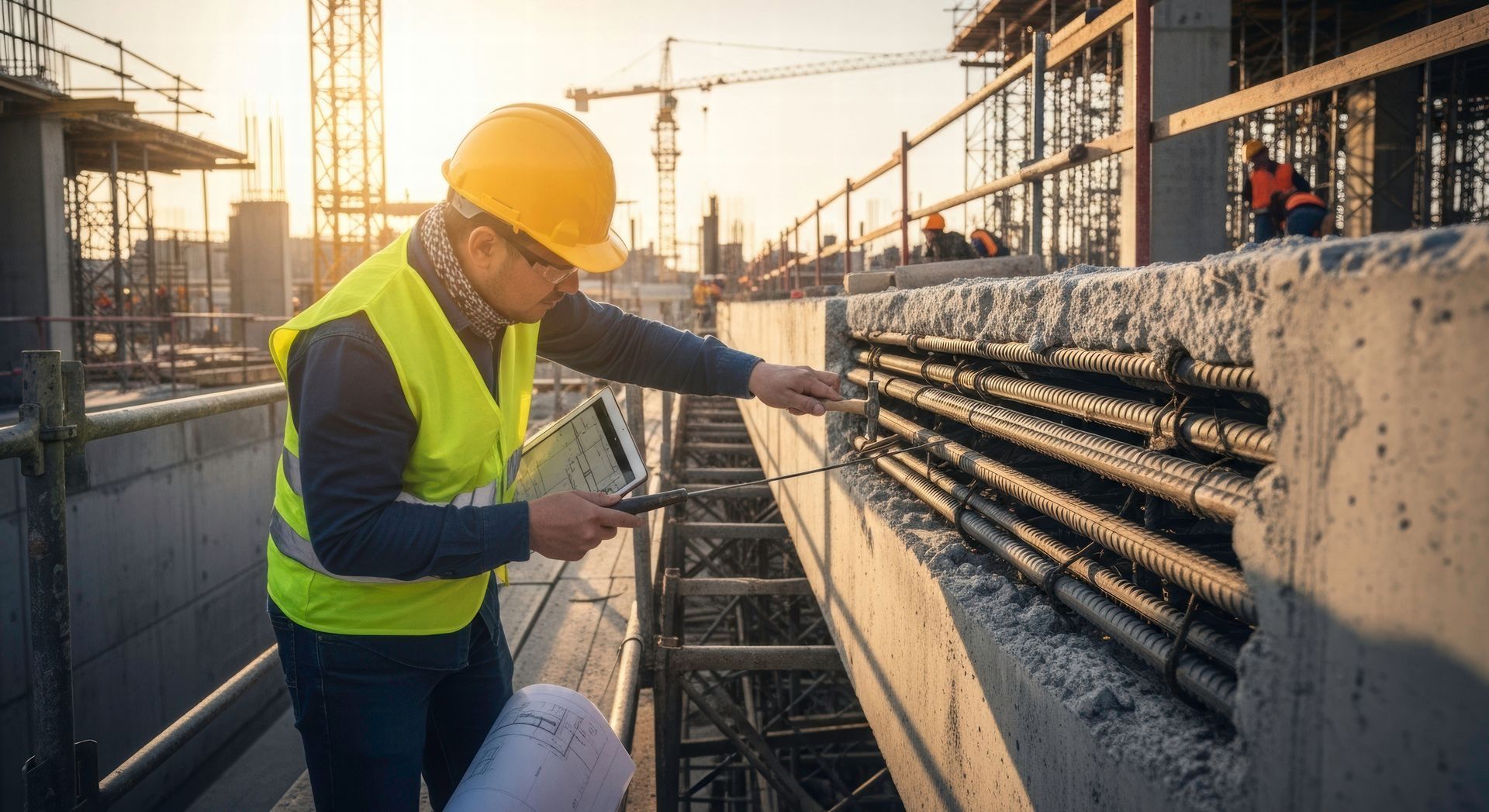
Why Metal and Weld Asset Integrity Management Matters
Industrial infrastructure represents a massive capital investment that must be structurally preserved throughout its entire design service life. Every mechanical facility faces an array of ongoing environmental threats, including cyclic loading, high-pressure containment stress, vibration fatigue, and galvanic corrosion. Left unmonitored, these physical stressors alter the micro-structure of the metal, transforming stable alloys into brittle, failure-prone liabilities.
Implementing a rigorous, proactive asset integrity management program allows facilities to transition from an expensive reactive maintenance model to a predictive, data-driven framework. Instead of waiting for a structural beam to deform or a pressurized line to rupture, asset managers gain total visibility into the real-world condition of their steel. This clear oversight allows teams to schedule repairs during planned maintenance turnarounds, completely bypassing the chaotic overhead and extreme liability of sudden equipment failures.
Technical Foundations: The Core Mechanics of Non-Destructive Testing
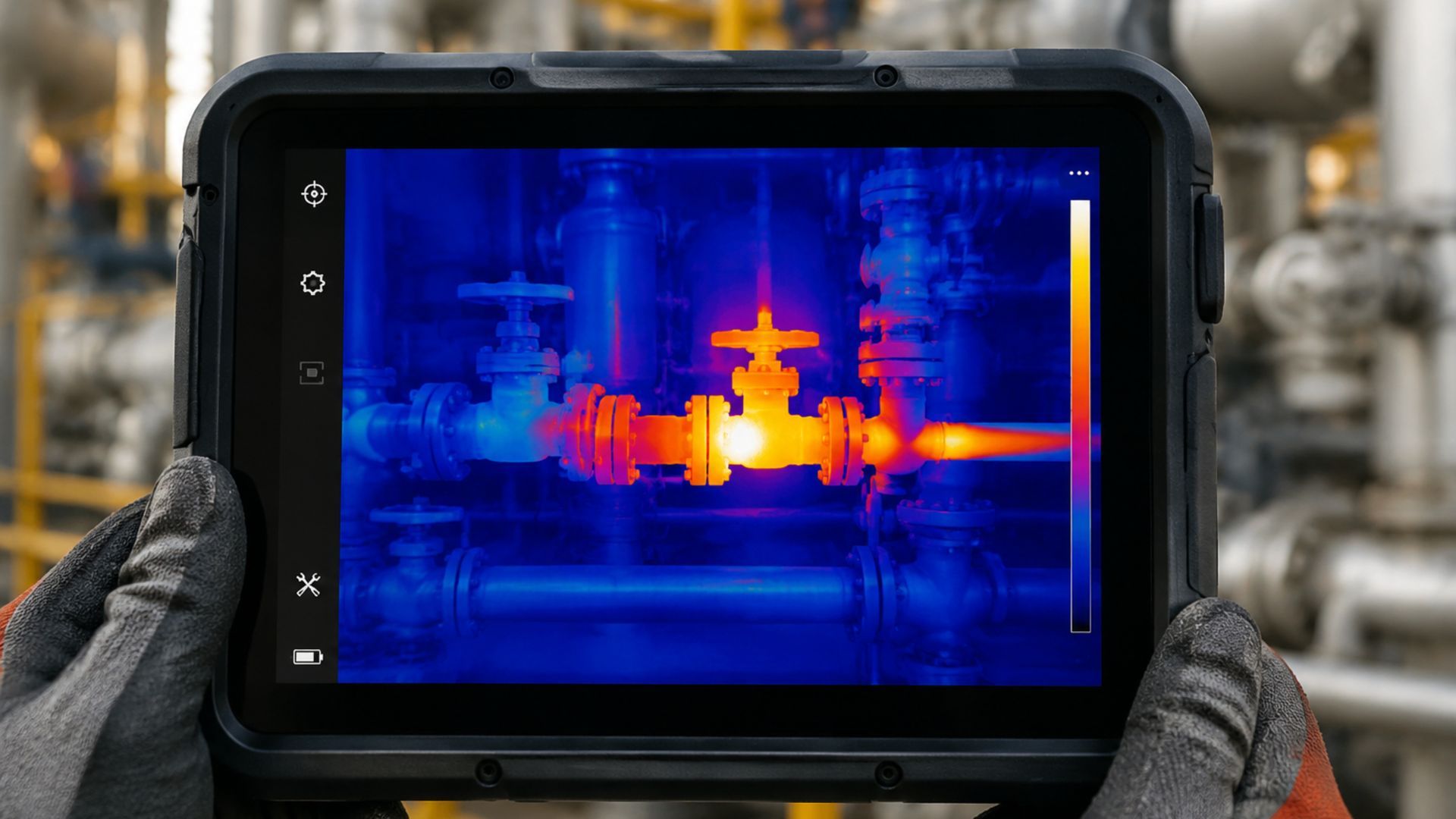
The main advantage of Non-Destructive Testing (NDT) is simple: we evaluate the internal and surface condition of your equipment without altering it or damaging it. Traditional destructive testing requires you to physically cut out sample pieces of metal (often called "coupons"), destroy structural welds, and render expensive equipment completely useless just to analyze it in a lab. Advanced NDT allows your assets to remain intact—and often fully operational—during the entire inspection.
By combining deep volumetric scanning with surface inspections, inspectors can track how your assets hold up over time. This continuous stream of mechanical data helps facilities stay ahead of repairs, minimize unexpected downtime, meet safety regulations, and safely extend the operational lifespan of aging equipment.
Volumetric Auditing: The Power of Ultrasonic and Visual Testing
To evaluate the complete interior matrix of heavy-wall vessels and thick welded connections, engineers rely heavily on the physics of volumetric NDT. The foundational method is Ultrasonic Testing (UT), which works by driving high-frequency sound waves through materials via specialized transducers. As these acoustic waves travel through the steel, they bounce cleanly off the back wall of the component and return to a digital receiver.
If the sound wave encounters an internal anomaly—such as a pocket of porosity, lack of fusion along a weld root, hydrogen blistering, or sub-surface fatigue cracking—the equipment logs a premature reflection, mapping out the exact depth and size of the hidden flaw. Certified technicians use these high-precision readings to accurately calculate wall thinning from corrosion and map internal volumetric defects without cutting into the metal. To maximize accuracy, these volumetric scans are paired with a comprehensive Visual Testing (VT) audit, which serves as the necessary surface baseline to spot external deformation, mechanical gouges, and coating breakdowns before internal scanning even begins.
Surface and Near-Surface Screening: Magnetic Particle and Liquid Penetrant Testing
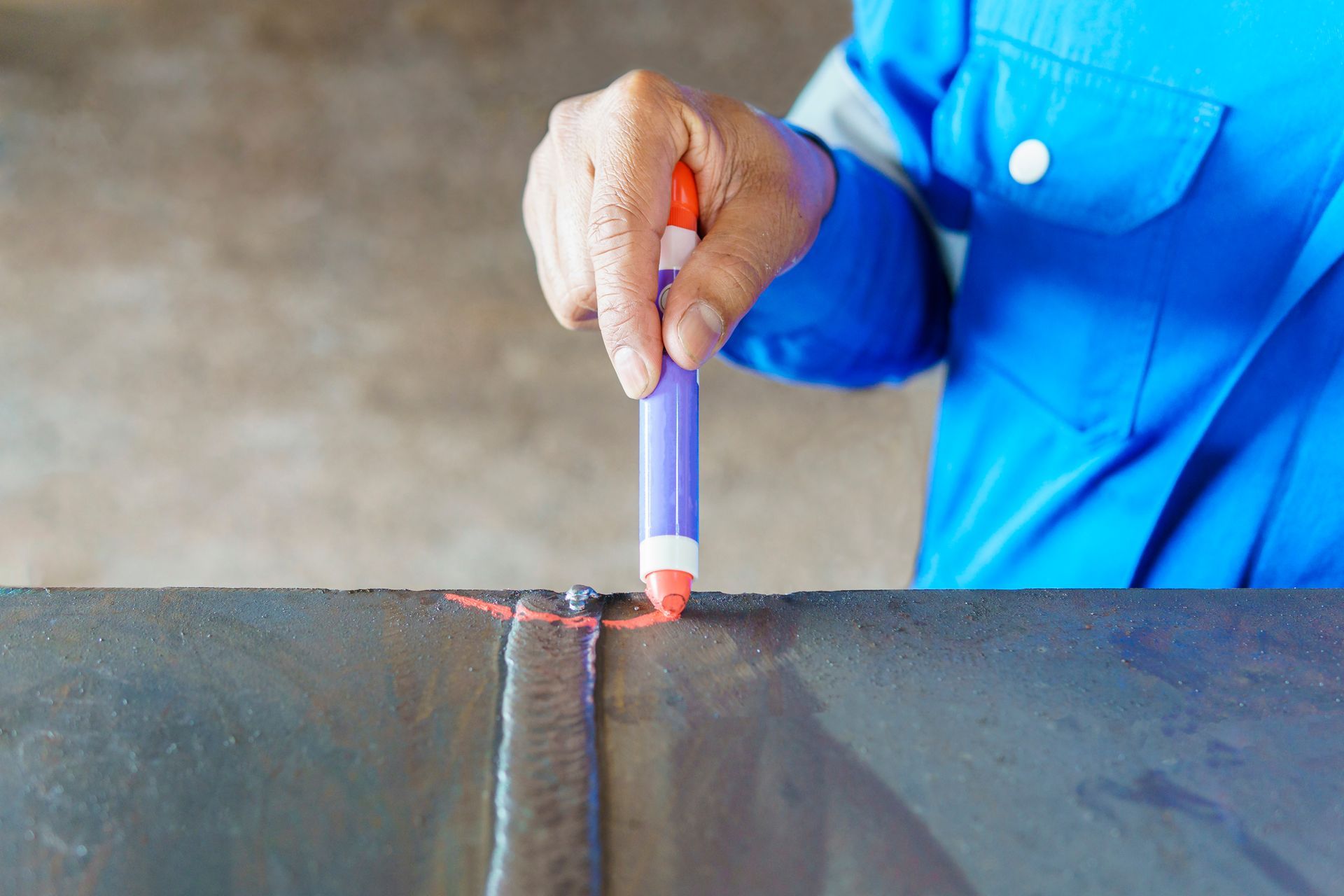
Not all material failures originate deep within the volumetric core; the vast majority of fatigue fractures initiate as microscopic surface-breaking flaws that rapidly propagate under cyclic loading. To isolate these early structural warnings in ferromagnetic materials like carbon steel, inspectors deploy high-precision magnetic particle testing. This process involves inducing a localized magnetic field directly into the component.
Advanced Surface Evaluation Techniques
- Magnetic Flux Leakage: If a surface or near-surface crack is present, it disrupts the internal magnetic field, forcing the magnetic flux to leak out of the steel.
- Indicator Accumulation: When fine, high-contrast ferromagnetic particles are applied to the zone, they are magnetically drawn straight to the leakage point, creating a highly visible indication of the crack path.
- Liquid Penetrant Versatility: For non-ferromagnetic materials like stainless steel or aluminum, liquid penetrant testing is utilized instead. This method relies on capillary action, drawing a low-viscosity dye deep into surface-breaking fissures. Once developed, it pulls the trapped dye back to the surface to reveal fabrication flaws and stress fractures with absolute clarity.
Protecting High-Stress Welded Connections and Securing ROI
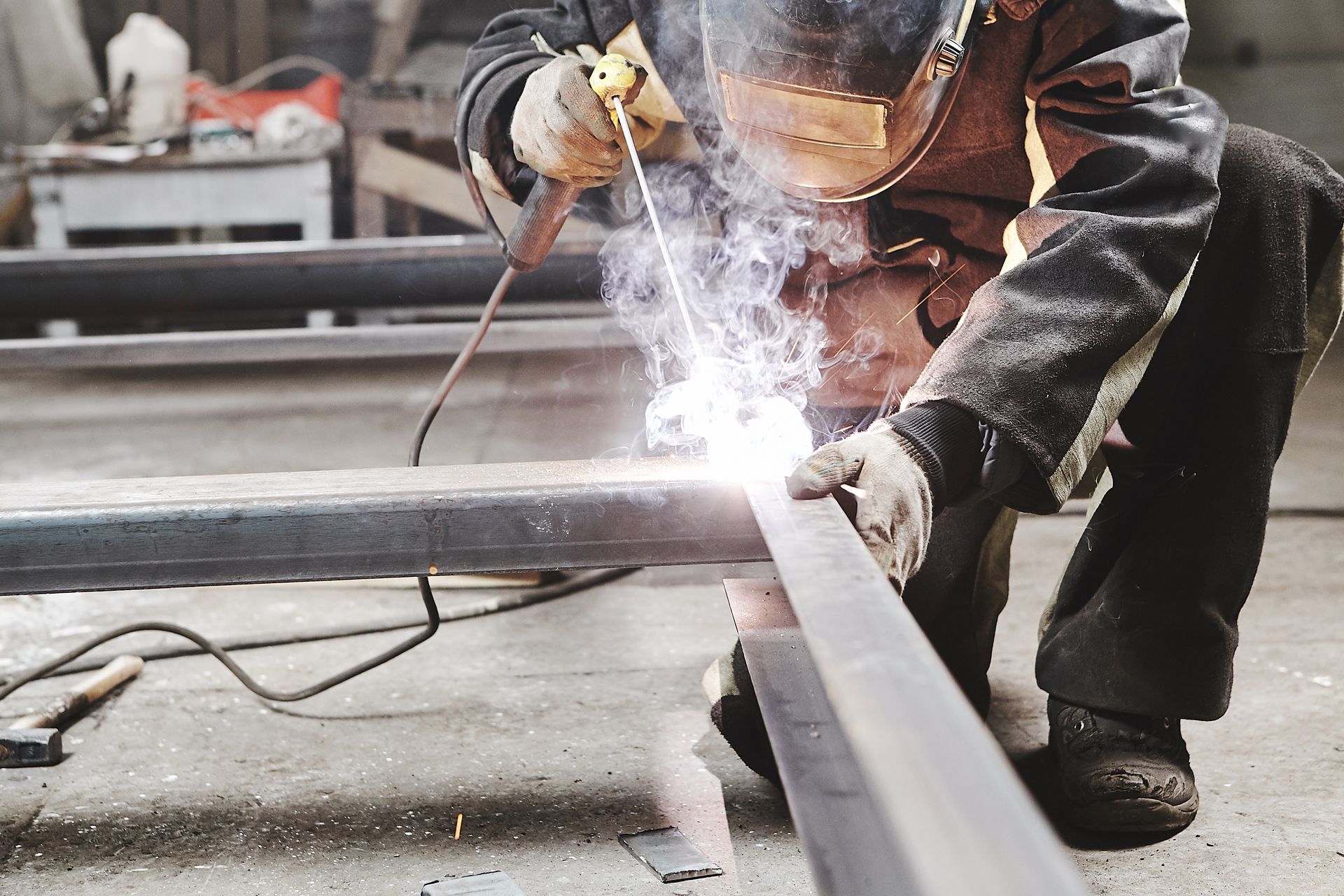
Welded joints represent the most critical and highly stressed intersections within any industrial system. The welding process subjects steel to extreme, localized thermal gradients that fundamentally alter the grain structure of the surrounding metal, creating a vulnerable zone known as the Heat-Affected Zone (HAZ). This specific boundary is uniquely prone to cracking, residual stress buildup, and accelerated chemical corrosion.
To guarantee compliance with strict ASME, API, and AWS code standards, facilities must subject these high-risk weld zones to routine, multi-disciplinary NDT reviews. Finding a weld defect during a scheduled code audit allows for simple, localized grinding and re-welding. Conversely, ignoring the asset until structural failure occurs leads to catastrophic system shutdowns, emergency repair costs, environmental remediation fees, and extensive legal liabilities. Investing in preventative testing is the most cost-effective decision an industrial facility can make.
Secure Your Industrial Capital with Steel City NDT
Managing the structural compliance and mechanical integrity of heavy industrial infrastructure requires absolute technical precision, specialized field hardware, and certified personnel. Relying on unverified inspection teams or generic maintenance guesswork can lead to missed flaws, catastrophic facility accidents, and sudden regulatory shutdowns. Protecting your plant requires a proven team of certified inspection professionals.
At
Steel City NDT, we provide elite, data-driven asset preservation solutions tailored specifically for structural steel frameworks, pressure vessels, process piping, and heavy manufacturing infrastructure. Our fully certified ASNT Level II and Level III technicians utilize state-of-the-art diagnostic equipment—from rigorous volumetric
Ultrasonic Testing (UT) to high-precision surface screening via
Magnetic Particle (MT) and
Liquid Penetrant (PT) testing—to deliver highly accurate, code-compliant results. We match our testing protocols directly to your asset profile, providing clean, actionable data to optimize your maintenance turnarounds. Mitigate your operational risk and verify your structural safety—contact our industrial NDT estimators today to schedule your comprehensive facility audit and secure your asset integrity for the future.
What is non-destructive testing (NDT) and how does it protect industrial assets?
NDT is a specialized suite of engineering inspection methods used to evaluate the structural integrity, weld quality, and material thickness of a component without causing any physical alteration or damage. It allows facilities to detect hidden internal and surface defects while equipment remains completely intact and operational.
Why is an asset integrity management program critical for heavy infrastructure?
It shifts a facility from a reactive emergency repair model to a predictive, data-driven strategy. By systematically tracking material degradation, corrosion rates, and fatigue cracking early, asset managers can schedule repairs during planned turnarounds, preventing catastrophic failures and minimizing downtime.
How does ultrasonic testing identify hidden flaws inside thick structural steel?
Ultrasonic testing passes high-frequency sound waves through the material matrix. When these waves hit an internal boundary disruption—such as a sub-surface crack, void, or wall-thinning corrosion—the sound waves reflect back prematurely, allowing digital diagnostic gear to pinpoint the flaw’s exact size and depth.
What is the primary difference between magnetic particle and liquid penetrant testing?
Magnetic particle testing uses induced magnetic fields to locate both surface and near-surface defects specifically in ferromagnetic metals like iron and carbon steel. Liquid penetrant testing relies on capillary dye action to reveal flaws that break the surface on virtually any non-porous material, including stainless steel and aluminum.
Can NDT inspections protect my commercial facility from regulatory or warranty issues?
Yes, absolutely. Regular NDT audits ensure your pressure vessels, piping, and structural assets comply with strict OSHA, API, ASME, and AWS codes. Documenting these certified inspections keeps your facility fully compliant, protects your equipment warranties, and lowers your insurance liability.
You might also like