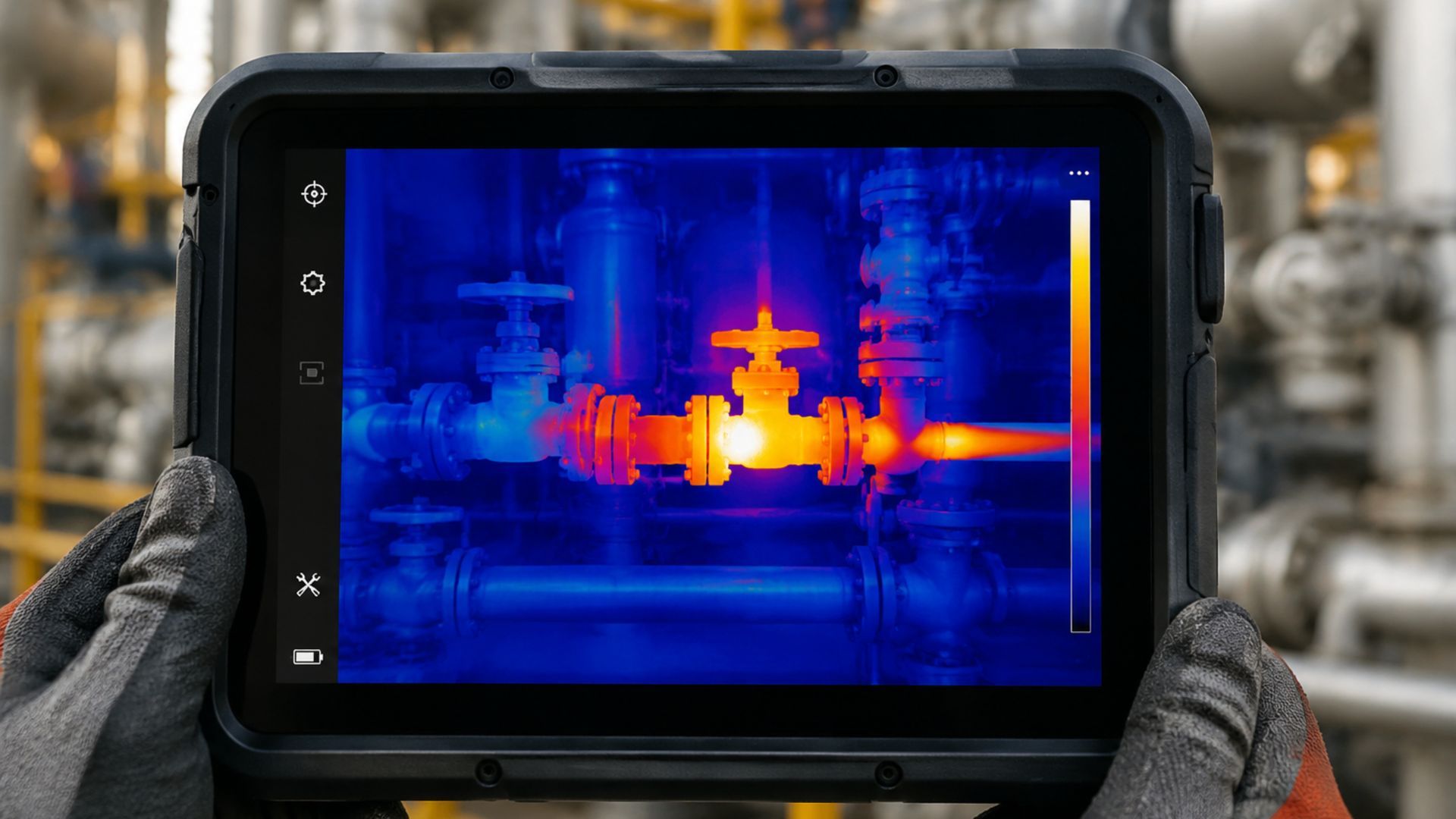

Infrastructure & Bridges: NDT Solutions for Pennsylvania’s Aging Steel Structures
April 22, 2026
Across Pennsylvania, bridges and steel infrastructure play a critical role in transportation and economic activity. Many of these structures, however, are decades old and require ongoing inspection and maintenance to remain safe and functional.
This is where non-destructive testing (NDT) becomes essential. By using advanced inspection methods, NDT for bridges and infrastructure allows engineers and inspectors to evaluate structural integrity without causing damage or disruption.

The Challenge of Aging Infrastructure in Pennsylvania
Pennsylvania is home to thousands of bridges, many of which are classified as aging or structurally deficient. Over time, exposure to weather, traffic, and environmental conditions can weaken steel components.
Common challenges include:
- Corrosion and rust
- Fatigue cracking
- Structural stress from heavy loads
- Environmental wear from moisture and temperature changes
Without proper inspection, these issues can go unnoticed until they become serious safety concerns.
What Is NDT and Why It Matters
Non-destructive testing (NDT) refers to a range of inspection techniques used to evaluate materials and structures without altering or damaging them.
For infrastructure, this means:
- Detecting internal flaws
- Identifying early-stage damage
- Assessing material integrity
- Supporting preventative maintenance
NDT provides accurate data that helps engineers make informed decisions about repairs and safety.
Key NDT Methods Used for Bridges and Steel Structures
Different NDT inspection methods are used depending on the type of structure and the issues being assessed.
Ultrasonic Testing (UT)
Uses sound waves to detect internal flaws, cracks, and thickness loss in steel components.
Magnetic Particle Testing (MT)
Identifies surface and near-surface defects in ferromagnetic materials.
Radiographic Testing (RT)
Uses imaging technology to reveal internal structural issues.
Visual Inspection (VT)
A critical first step that identifies visible damage such as corrosion or deformation.
Each method plays a role in providing a complete picture of structural health.
How NDT Supports Bridge Safety and Longevity
Regular bridge inspections using NDT help extend the lifespan of infrastructure and reduce the risk of failure.
Benefits include:
- Early detection of structural issues
- Reduced need for emergency repairs
- Improved public safety
- Cost-effective maintenance planning
By identifying problems early, maintenance can be performed before damage becomes severe.
Preventative Maintenance Through NDT
Instead of waiting for visible damage, many organizations use NDT services as part of a preventative maintenance strategy.
This approach allows for:
- Scheduled inspections
- Ongoing monitoring of critical components
- Data-driven repair decisions
Preventative maintenance helps reduce downtime and ensures structures remain reliable.
The Importance of Compliance and Regulations
Infrastructure inspections must meet strict safety standards and regulations.
Using professional NDT inspection services helps ensure:
- Compliance with state and federal guidelines
- Accurate documentation and reporting
- Reliable inspection results
Meeting these requirements is essential for maintaining public trust and safety.
Why Experience Matters in NDT Inspections
Inspecting bridges and infrastructure requires specialized knowledge and expertise.
Experienced professionals provide:
- Accurate interpretation of test results
- Proper selection of testing methods
- Safe and efficient inspection processes
Choosing the right team ensures reliable and actionable insights.
Protecting Pennsylvania’s Infrastructure for the Future
As infrastructure continues to age, the need for reliable inspection methods becomes even more critical. Non-destructive testing for bridges provides the tools needed to assess, maintain, and protect these essential structures.
Steel City NDT delivers advanced inspection solutions designed to support the safety, longevity, and performance of Pennsylvania’s bridges and steel infrastructure.
What is non-destructive testing (NDT)?
NDT is a method of inspecting materials and structures without causing damage.
Why is NDT important for bridges?
It helps detect flaws early, improving safety and preventing structural failure.
What types of defects can NDT detect?
Cracks, corrosion, material fatigue, and internal flaws can all be identified.
How often should bridges be inspected?
Inspection frequency depends on regulations, usage, and condition, but regular evaluations are essential.
Is NDT safe for infrastructure?
Yes, it is specifically designed to assess structures without damaging them.
You might also like