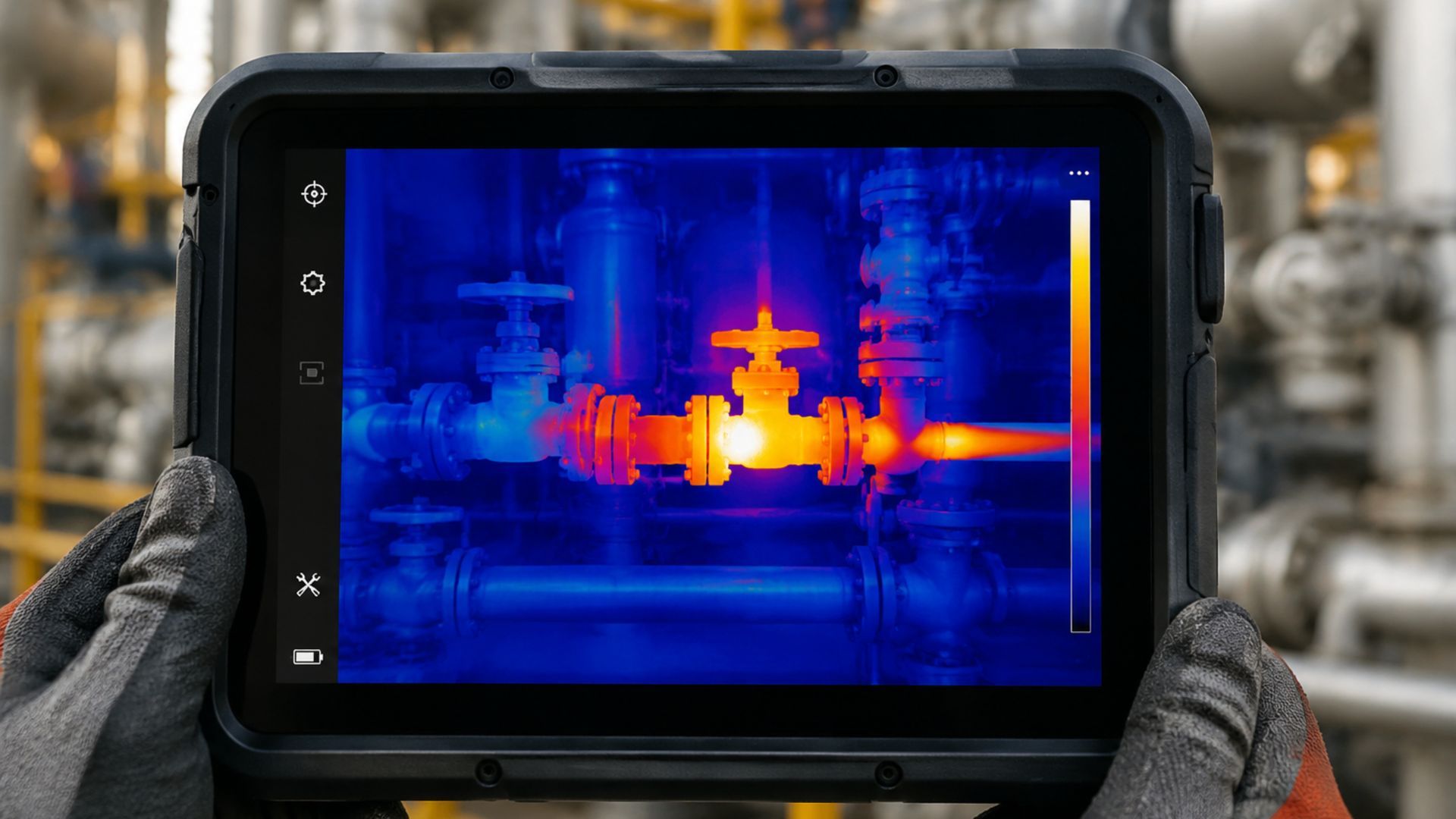

Ensuring Safety in the Oil and Gas Industry: The Vital Role of NDT
September 13, 2023
Relevance and Trends in the Oil & Gas Industry
The oil and gas industry stands as a pillar of the global economy, supplying energy for myriad purposes, from power generation to transportation. Its impact on the world economy is undeniable, yet it is a sector marked by complexity and environmental considerations. As we navigate the era of the energy transition, where renewable sources are gaining prominence, it's crucial to recognize that fossil fuels will remain significant for decades to come. In this context, the safe and efficient operation of oil and gas infrastructure takes center stage.
The Critical Significance of Materials Testing in Oil & Gas
Materials testing within the oil and gas industry plays a pivotal role in upholding safety, reliability, and environmental sustainability. It serves as the guardian of equipment integrity, ensuring that the materials used can withstand the punishing conditions encountered in this industry. Beyond this, it facilitates compliance with stringent regulations and standards while fostering the development of innovative materials. In essence, materials testing acts as the vanguard against accidents, leaks, pollution, and enhances operational efficiency.
Challenges Confronting Materials Testing Equipment
The challenges facing materials testing equipment in the oil and gas sector are formidable. These instruments must possess exceptional ruggedness and durability to endure the harsh environmental conditions often encountered in the field. Portability is another prerequisite, enabling their use on-site, where testing is most critical. These tools must also excel in non-destructive testing, offering versatility, precision, and unwavering reliability. Meeting the rigorous standards and regulations governing the industry is non-negotiable. Adequate operator training and streamlined data management further compound the challenges. Overcoming these obstacles necessitates a close-knit collaboration between equipment manufacturers, industry players, and research institutions.
The Crucial Role of Accurate and Reliable Testing
The safety and integrity of oil and gas equipment hinge upon the accuracy and reliability of material testing results. Consequently, testing equipment must demonstrate an unwavering commitment to precision. Furthermore, this industry operates under a strict framework of safety and quality standards. Thus, testing equipment must not only meet these specifications but also demonstrate the ability to consistently achieve the required standards. Adequate training for the personnel operating this equipment is equally paramount. Simplicity and user-friendliness in equipment operation are indispensable to ensure that tests are carried out correctly and efficiently.
Efficient Data Management: A Cornerstone of Material Testing
In the oil and gas industry, efficient data management is more than just a routine process; it is an imperative. Testing equipment must efficiently collect and document data, creating a comprehensive repository of results. This ensures traceability, accessibility, and facilitates later analysis and decision-making. In essence, efficient data management safeguards the integrity and reliability of testing processes.
In conclusion, materials testing stands as an unsung hero in the oil and gas industry, safeguarding safety, integrity, and environmental sustainability. It embodies precision, durability, and compliance, all while serving as a bulwark against accidents and pollution. As the industry evolves and navigates the energy transition, the role of materials testing becomes increasingly critical. Collaboration, innovation, and an unyielding commitment to safety will continue to drive progress in this vital sector.
You might also like