
Best Non-Destructive Testing Methods for Infrastructure Inspection
March 24, 2026
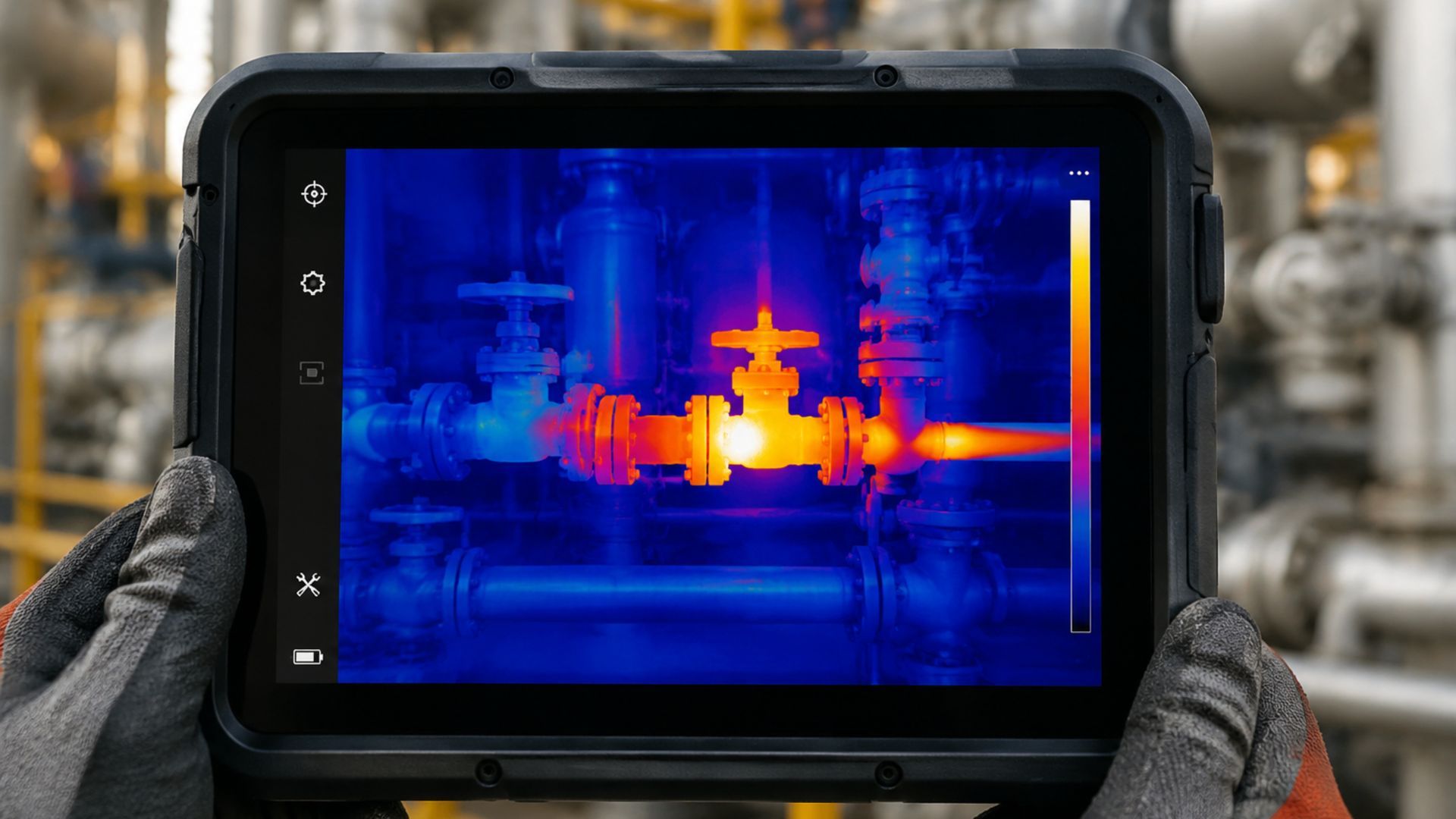
Infrastructure assets such as bridges, pipelines, power plants, and industrial facilities must be inspected regularly to ensure safety and performance. Traditional testing methods that damage materials are not practical for large scale structures. Understanding the best non-destructive testing methods for infrastructure inspection helps asset owners evaluate structural integrity without disrupting operations.
What Is Non-Destructive Testing
Non-destructive testing (NDT) refers to inspection techniques that evaluate materials, components, or structures without causing damage. These methods allow inspectors to detect defects, measure material properties, and identify potential failures while keeping assets in service.
NDT plays a critical role in maintaining aging infrastructure and meeting regulatory requirements.
Ultrasonic Testing for Internal Defect Detection
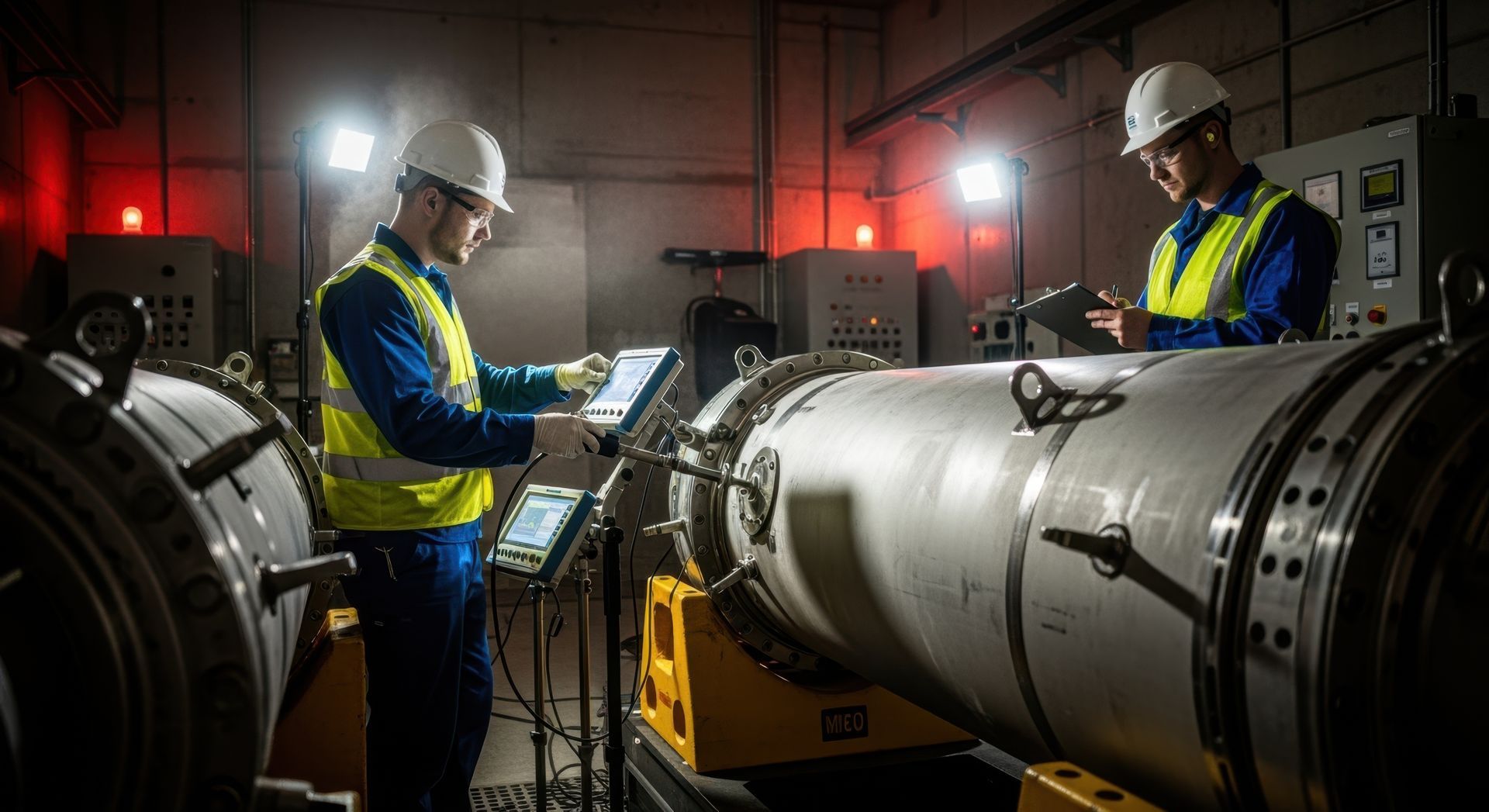
Ultrasonic testing (UT) uses high-frequency sound waves to identify internal flaws, measure thickness, and detect corrosion.
Common infrastructure applications include:
- Bridge components
- Pressure vessels
- Pipelines
- Structural welds
UT is highly accurate and effective for identifying internal defects that are not visible on the surface.
Magnetic Particle Testing for Surface and Near-Surface Flaws
Magnetic particle testing (MT) is used to detect surface and near-surface defects in ferromagnetic materials. By applying a magnetic field and fine particles, inspectors can identify cracks and discontinuities.
This method is commonly used on:
- Welds
- Steel beams
- Structural connections
MT provides fast, reliable results for critical steel infrastructure components.
Radiographic Testing for Comprehensive Internal Inspection
Radiographic testing (RT) uses X-rays or gamma rays to produce images of internal structures. It allows inspectors to see internal defects such as voids, cracks, and inclusions.
RT is frequently used for:
- Pipeline weld inspection
- Pressure vessels
- Critical structural components
This method provides permanent visual records for documentation and compliance.
Eddy Current Testing for Conductive Materials
Eddy current testing (ECT) is an electromagnetic method ideal for detecting surface and near-surface defects in conductive materials. It is widely used for corrosion detection and material condition assessment.
ECT is commonly applied in:
- Heat exchanger tube inspection
- Aircraft components
- Industrial piping systems
Its speed and sensitivity make it valuable for routine infrastructure inspections.
Visual Testing as the First Line of Defense
Visual testing (VT) is often the starting point for infrastructure inspection. Trained inspectors visually examine components for obvious signs of wear, corrosion, or damage.
While simple, VT provides critical context and helps guide further testing methods.
Choosing the Right NDT Method for Infrastructure
No single NDT method fits every situation. The best approach depends on:
- Material type
- Defect location
- Accessibility
- Regulatory requirements
- Asset condition
Combining multiple non-destructive testing methods often delivers the most accurate assessment.
Why Infrastructure Inspection Requires Specialized Expertise
Infrastructure assets face constant stress from environmental exposure, load cycles, and aging materials. Proper NDT selection and execution require trained professionals who understand both testing technology and structural behavior.
Accurate inspections help prevent failures, reduce downtime, and extend asset lifespan.
Protecting Critical Infrastructure Through Advanced Testing
The best non-destructive testing methods for infrastructure inspection provide insight into asset health without compromising safety or functionality. From ultrasonic and radiographic testing to magnetic particle and eddy current inspections, NDT supports proactive maintenance and informed decision making. Steel City NDT delivers comprehensive infrastructure inspection services designed to meet industry standards, regulatory requirements, and long-term reliability goals.
You might also like